October 23, 2026
An Introduction to the Heart of Jamaican Food
By @milogebe053
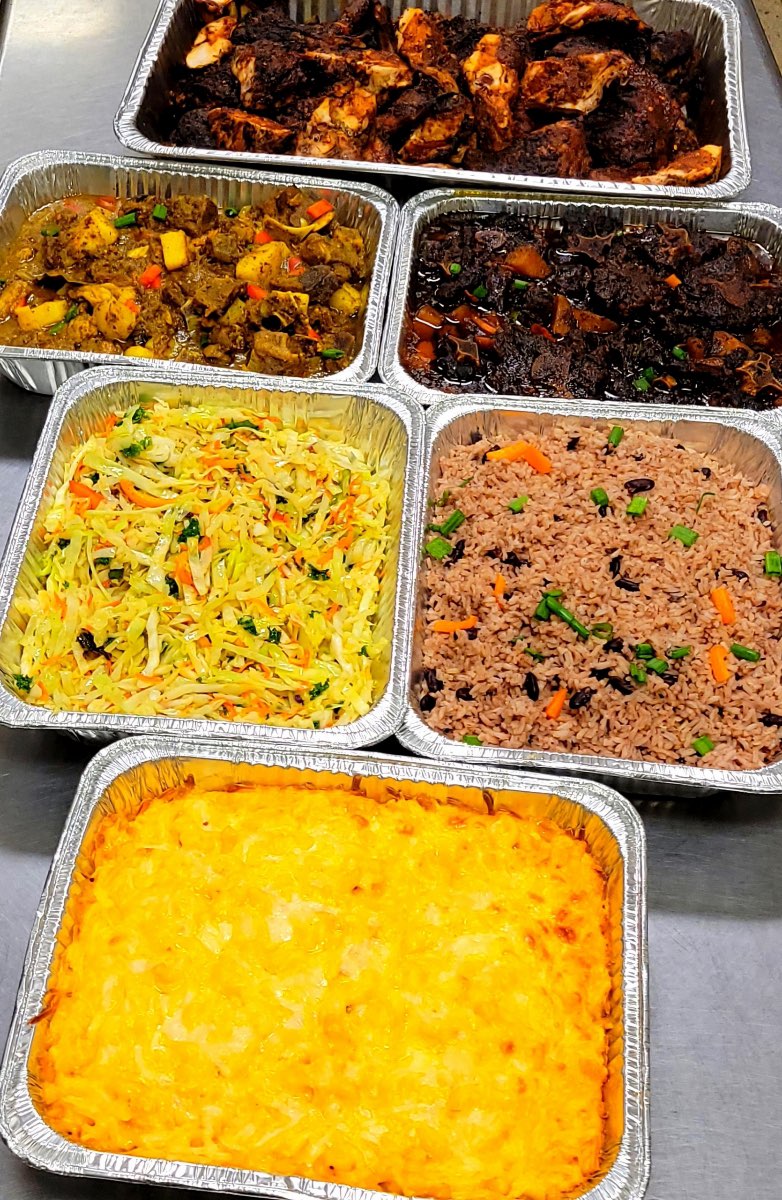
Jamaican food is often described with a few familiar words: bold, spicy, soulful. None of them are wrong, but they are incomplete. The heart of Jamaican cooking lies in balance, not just heat. It is the meeting point of smoke and sweetness, acid and richness, thrift and abundance. It is food shaped by history, migration, land, and necessity, then sharpened into something unmistakably its own.
If you have only met Jamaican food through a late-night beef patty or a plate of jerk chicken from a festival stall, you have seen one vivid corner of a much larger picture. A proper look at the cuisine reveals breakfasts with salted cod and creamy ackee, soups that eat like full meals, peppery gravies spooned over rice and peas, fried fish with sharp pickled vegetables, and slow braises that reward patience more than technique.
What makes the cuisine so compelling is that it carries memory in a very practical way. It is generous food, but rarely careless. Seasoning matters. Timing matters. So does understanding what each ingredient is doing. A good Jamaican cook knows when thyme should stay whole, when a Scotch bonnet should perfume a pot without bursting, and when pimento should sit quietly in the background rather than dominate. That kind of judgment is the difference between a plate that tastes lively and one that tastes merely loud.
A cuisine built from many hands
Jamaican food did not emerge from one stream. It was formed from many, often under hard conditions. African foodways sit at the center, especially in methods of seasoning, one-pot cooking, use of provisions, and the deep instinct to make every ingredient count. Indigenous Taíno influence remains visible too, especially in cassava and the word "barbacoa," which is often cited when discussing the roots of jerk cooking. Colonial rule and migration added further layers, with British, Spanish, Indian, Chinese, and Middle Eastern influences all contributing to the island’s table.
That history matters because it helps explain why Jamaican food can feel at once highly specific and surprisingly wide-ranging. Curry goat reflects Indian influence, yet the dish now tastes entirely Jamaican because of the local rhythm of seasoning and the way cooks build the pot. Escovitch fish carries echoes of Spanish pickling traditions, but in Jamaica it becomes brighter, hotter, and more direct. The island’s Chinese Jamaican cooking has its own long story as well, woven into everyday life rather than kept at the edges.
In practice, this means the cuisine resists neat categories. It can be rustic or celebratory, beachside simple or holiday elaborate. It can be deeply meat-centered, and it can also be built around vegetables, peas, coconut milk, and ground provisions. The common thread is intensity of flavor and a clear sense of purpose.
The flavor grammar of Jamaican cooking
To understand Jamaican food, it helps to think in terms of a flavor grammar. Certain ingredients appear again and again, but they do not always play the same role. Thyme, scallion, onion, garlic, ginger, Scotch bonnet, pimento, black pepper, and all-purpose seasoning blends are part of the language. Browning sauce, soy sauce, vinegar, tomato, coconut milk, and fresh citrus often help shape the final tone.
Scotch bonnet deserves a closer look because it is commonly misunderstood. People fixate on heat, which is understandable, but heat is only part of its job. A Scotch bonnet has a fruity, almost floral quality that changes a dish even when the pepper is left whole. In a pot of soup or rice and peas, a whole bonnet can infuse the food without making it aggressively hot. Pierce it, crush it, or chop it, and the dish moves into a very different register. Good cooks know that choice is not trivial.
Pimento, known elsewhere as allspice, is another defining ingredient. In Jamaica, it is not treated like a holiday baking spice. It is savory, woody, and warming. It underpins jerk, deepens stews, and gives the cuisine some of its signature aroma. Combined with thyme and scallion, it creates a flavor profile that is instantly recognizable even before the plate hits the table.
Then there is the importance of texture. Jamaican food is not only about flavor concentration. It also values contrast. Crisp fried plantain beside tender braise. Sharp pickled vegetables against rich fish. Fluffy rice under thick gravy. A flaky patty shell around spiced filling. Some of the pleasure comes from these shifts.
Jerk is not just a seasoning
Outside Jamaica, "jerk" is often flattened into a supermarket marinade or a menu adjective. On the island, it means much more. Jerk is a method, a style, and a whole sensory experience. It is linked to maroon communities and traditions of preserving and cooking meat with smoke, spice, and time. The best jerk is not simply spicy chicken. It is meat that has been seasoned deeply, then cooked in a way that develops char, smoke, and juicy interior flesh at the same time.
Traditional jerk relies heavily on pimento wood and leaves, which contribute a fragrance that is difficult to reproduce exactly in a standard home kitchen. That is why many jerk recipes abroad get the seasoning roughly right but miss the final effect. The smoke is not incidental. It completes the dish.
Chicken is the most familiar form internationally, but pork is equally important. Jerk pork, when done properly, has a richer, deeper quality than chicken. The fat carries the spice differently, and the caramelized edges become almost candy-like without turning sweet. Along the roadside in Jamaica, you often smell jerk before you see it. The scent of smoke, pimento, and rendered fat hangs in the air and does much of the selling.
One mistake I have seen many cooks make is treating jerk like a quick weeknight rub. It rarely shines that way. It needs contact time. The seasoning should penetrate, not just coat. And cooking too fast over fierce heat can burn the sugars and spices before the meat settles into itself. A lower, steadier approach usually gives better results, even if you finish with stronger heat for color.
The plate that explains a lot: rice and peas
Few dishes reveal Jamaican cooking more clearly than rice and peas. It appears so often that visitors sometimes take it for granted, but a poor version stands out immediately and a good version can anchor an entire meal. In Jamaica, "peas" often means kidney beans or gungo peas, depending on the dish and the season. The rice cooks with coconut milk, thyme, scallion, garlic, and usually a Scotch bonnet, taking on flavor from the inside rather than depending on sauce later.
A well-made pot should be aromatic and distinct, not mushy. The coconut should be present but not cloying. The peas should hold their shape. If the Scotch bonnet has been used properly, there will be a gentle hum of pepper in the background rather than random blasts of heat. Rice and peas is supporting cast, yes, but it quietly tells you whether the kitchen respects fundamentals.
The same is true of festival, bammy, and fried dumpling. These starches are not fillers in the dismissive sense. They are functional, traditional, and carefully matched to the main dish. Bammy, made from cassava, brings a slightly chewy texture that works https://cruzdjzq894.valiantfield.com/posts/jamaican-food-dishes-that-belong-on-your-table beautifully with fried or escovitch fish. Festival, with its faint sweetness, pairs naturally with jerk and other savory meats. Fried dumpling has a comforting heft that makes breakfast feel complete.
Ackee and saltfish, and why breakfast matters
For many people, the real doorway into Jamaican food should be breakfast. Ackee and saltfish is the national dish for good reason. It captures several essential truths about the cuisine: the importance of seasoning, the use of preserved ingredients, the preference for dishes that satisfy without excess, and the ability to turn a limited set of components into something memorable.
Ackee, when cooked, looks somewhat like soft scrambled egg, but the resemblance ends there. Its texture is delicate and almost buttery, and its flavor is subtle enough that the saltfish, onion, tomato, scallion, thyme, and pepper can all speak around it. The balance is delicate. Overwork the ackee and it breaks apart. Overseason the pan and you lose its quiet richness.
Breakfast tables often include callaloo as well, sautéed or steamed and seasoned with onion, garlic, thyme, and sometimes saltfish. You may also find boiled green bananas, yams, dumplings, breadfruit, or plantain. It is hearty food, but there is logic to it. Much of Jamaica developed around physical labor, long days, and the need for sustaining meals. The breakfast plate reflects that reality.
There is also a rhythm to how these foods are eaten. A leisurely weekend breakfast with ackee and saltfish can feel celebratory. The same dish on a weekday still reads as practical. Jamaican food is good at carrying both meanings at once.
Patties, street food, and everyday appetite
Jamaican patties are one of the most widely traveled foods from the island, and for once, the fame is deserved. A good patty has a flaky crust, usually golden with turmeric or curry-tinted dough, and a filling that is moist, assertively seasoned, and easy to eat on the move. Beef is classic, but chicken, vegetable, shrimp, and ackee versions all have their followers. The best patties are neat but not dry, spicy but not one-note.
Street food and bakery culture matter because they show the everyday side of Jamaican eating. Not every meal is a long simmer or a ceremonial spread. Sometimes it is a patty with coco bread, a small soup from a vendor, roast corn, or a piece of pudding. Those foods are part of the cuisine’s backbone, not just quick snacks between "real" meals.
The patty is also a useful reminder that Jamaican food is highly portable. This is food built for workers, schoolchildren, market days, and journeys. It had to travel well, hold flavor, and satisfy quickly. That practicality helped it spread far beyond the island, especially in cities with large Jamaican communities. London, Toronto, New York, and Miami all have places where Jamaican food means not just restaurant dining but neighborhood routine.
Fish, sea, and the sharpness of escovitch
Because Jamaica is an island, seafood naturally has a strong place on the table, though the international spotlight often falls more heavily on chicken and goat. Fried fish, steamed fish, rundown, and escovitch all deserve attention.
Escovitch fish is one of the clearest examples of Jamaican balance. The fish is fried until the skin turns crisp, then topped with a hot, vinegary tangle of carrots, onion, and Scotch bonnet. What makes it work is contrast. The fish gives richness and crunch, the pickled vegetables cut through it, and the pepper keeps the dish awake. If the vinegar is too aggressive, the fish gets buried. If the vegetables are too timid, the plate feels flat. Done well, it is one of the sharpest and most satisfying dishes in the cuisine.
Steamed fish moves in another direction, gentler and more aromatic. It often includes okra, carrots, onions, and a seasoned broth that turns into a light sauce. This style rewards freshness and restraint. Not every Jamaican dish aims for the heaviest possible impact. Some aim for clarity.
Rundown, particularly with mackerel, shows the cuisine’s talent with coconut milk. The sauce cooks down until it is concentrated and savory, coating the fish and vegetables in a way that feels both homely and deeply flavored. It is the kind of dish that rarely becomes glamorous abroad, but in many kitchens it earns real affection.
Ital cooking and the vegetarian soul of the cuisine
Anyone who thinks Jamaican food is all meat and fire has missed an essential part of the story. Ital cooking, rooted in Rastafarian practice, places emphasis on natural, minimally processed food and often excludes meat. Depending on the cook and the household, it may also avoid salt or certain other ingredients. What matters here is not rigid categorization but the philosophy of nourishment and vitality.
Ital dishes can be extraordinarily flavorful. Coconut milk, pumpkin, cho cho, callaloo, beans, lentils, carrots, okra, and ground provisions all appear in combinations that are earthy, soothing, and surprisingly layered. The best ital cooking never feels like an afterthought or a substitute. It stands on its own terms.
This side of Jamaican food also reveals a broader truth. The cuisine’s strength does not depend on one signature meat or one chili-heavy profile. Its strength lies in how confidently it builds flavor from what is available. A pot of red peas soup, thick with dumplings and provisions, can be as satisfying as any plate of jerk. So can a vegetable stew made with enough care.
Sweet endings and baked traditions
Jamaican desserts often receive less attention than savory dishes, but they say a great deal about local taste. Sweet potato pudding, gizzada, grater cake, toto, rum cake, and banana bread all show the island’s affection for coconut, spice, and dense, comforting textures. These are not delicate patisserie desserts. They tend to be direct, substantial, and rooted in home baking.
Sweet potato pudding, especially when made the old-fashioned way, has a rich, almost custardy center and darker edges that verge on chewy. Some people talk about the "hell a top, hell a bottom, hallelujah in the middle" ideal, which tells you everything you need to know about desired texture. The joke lands because the texture matters as much as the flavor.
Then there are drinks. Sorrel at Christmas, made with hibiscus petals, ginger, and spice, is one of the great festive beverages anywhere. Irish moss, peanut punch, and fresh juices also belong to the broader eating culture. Drinks in Jamaica are rarely an afterthought. They often echo the same preferences as the food: bold flavor, practical nourishment, and strong memory.
What to notice when you are eating Jamaican food for the first time
A first meal can be overwhelming if you try to decode every dish at once. Better to pay attention to a few signals. Notice how often sweetness appears in small amounts to support savory food rather than dominate it. Pay attention to the role of pickled and acidic elements. Observe how often thyme and scallion shape a dish even when they are not the headline. And notice the relationship between starch and sauce. Jamaican cooking is deeply aware of how a bite comes together.
If you are ordering broadly, these are excellent places to start:
- Jerk chicken or jerk pork, to understand smoke, spice, and seasoning.
- Ackee and saltfish, to meet the national dish in its proper context.
- Escovitch fish, for contrast and brightness.
- Rice and peas with a braised meat, to appreciate the everyday core of the cuisine.
- A patty from a good bakery, to see how Jamaican food works in handheld form.
That mix shows range without forcing you into the most extreme flavors or the most specialized dishes first.
Cooking Jamaican food at home without flattening it
Home cooks outside Jamaica often run into the same problems. They either chase total authenticity with ingredients they cannot reliably source, or they substitute so much that the dish loses its center. A more useful approach is to identify what is essential, then adapt carefully around it.
For jerk, pimento and Scotch bonnet matter far more than a dozen trendy add-ins. For rice and peas, the coconut milk, thyme, and bean-cooked liquid matter more than decorative garnishes. For brown stew chicken, patience matters. Browning the sugar or using browning sauce, seasoning the meat ahead, and letting the gravy develop are what create the character.
A few practical principles help:
- Season in layers, not all at once.
- Let marinades sit long enough to matter.
- Treat Scotch bonnet as a flavor tool, not only a heat source.
- Do not rush braises and stews.
- Pair mains with the starches they were meant to meet.
That last point is more important than it sounds. Escovitch fish with bammy feels coherent in a way that the same fish over plain white sandwich bread never will. Context shapes flavor.
One other note from experience: commercial "jerk seasoning" jars vary wildly. Some are salty and flat, some overly sweet, some dominated by cinnamon-like spice notes that muddy the profile. If you use one, treat it as a base and correct it with fresh scallion, thyme, garlic, lime, and pepper where needed. Jamaican food rarely shines when it tastes pre-mixed.
Why the cuisine stays with people
The staying power of Jamaican food comes from more than intensity. Plenty of cuisines offer boldness. Jamaican cooking stays with people because it creates emotional clarity. The dishes know what they are trying to do. A soup is meant to fortify. A patty is meant to satisfy quickly and neatly. Jerk is meant to seduce you first with aroma, then with smoke and spice. Ackee and saltfish is meant to feel at once humble and complete.
There is also an unusual generosity in the cuisine’s structure. A great Jamaican meal often feels abundant even when made from modest ingredients. Beans, root vegetables, salted fish, coconut milk, rice, and chicken become food that tastes larger than its cost. That is one reason the cuisine travels so well across diasporas. It offers comfort without dullness, celebration without fussiness.
Spend enough time around Jamaican kitchens and you begin to notice that recipes are often less rigid than outsiders expect. Measurements shift. One cook likes more thyme, another more black pepper, another a sweeter festival, another a drier rice and peas. Yet the food still remains legibly Jamaican because the underlying instincts are so strong. Flavor must be confident. The plate must make sense. Nothing important should taste like an afterthought.
That, more than any single dish, is the heart of Jamaican food. It is cooking with character, memory, and judgment. It knows how to be bright, smoky, hot, rich, and comforting, sometimes all in one meal. Once you recognize that, the cuisine opens up far beyond its most famous exports, and every plate starts telling a fuller story.
Reggae Pot Jamaican Grill
7562 S University Blvd C, Centennial, CO 80122
(303) 997-5623
FAQ About jamaican food
What is the best Jamaican food to try in Centennial?
The best choice depends on your preferences. Reggae Pot Jamaican Grill offers jerk chicken, curry goat, oxtail, and escovitch snapper, along with sides such as rice and peas and fried plantains. Ask the restaurant about current availability and spice levels before ordering.
Is Jamaican food very spicy in Centennial?
Heat varies by dish and preparation. Jerk dishes can be hot, while some stews and sides are milder. Tell the restaurant your preferred heat level and ask which options suit you.
What is typically on a Jamaican menu?
Common choices include jerk chicken, curries, oxtail, fish, patties, rice and peas, and plantains. Reggae Pot also lists ackee and saltfish and vegetable dishes. Menus and availability can change, so confirm your choices when ordering.
❧