October 23, 2026
Jamaican Food Recipes for Busy Weeknight Cooking
By @milogebe053

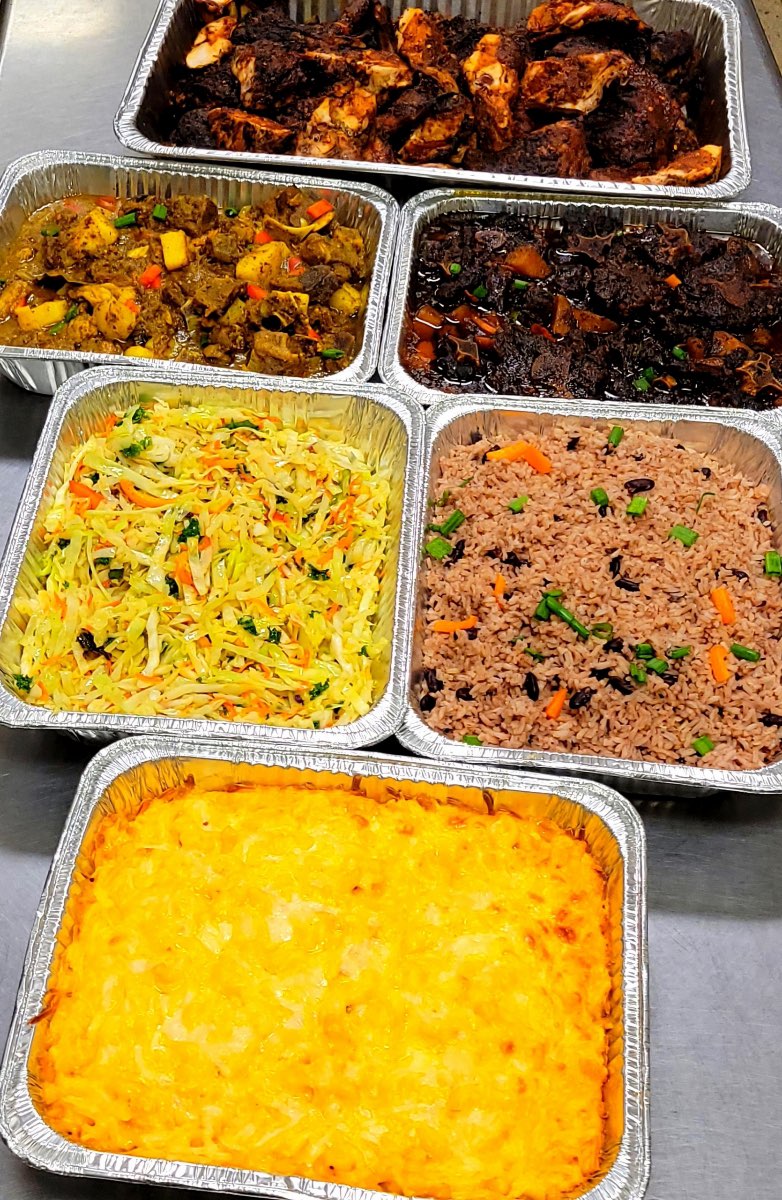
Weeknight cooking asks a lot from home cooks. Dinner has to be satisfying, practical, and flexible enough to handle late meetings, tired kids, and whatever is left in the refrigerator. Jamaican food fits that reality better than many people realize. While the cuisine is often associated with long marinations, outdoor grilling, and slow-simmered weekend dishes, a large part of everyday Jamaican cooking is built on quick seasoning, smart pantry use, and bold flavors that do not need hours to develop.
That matters because a busy evening does not leave much room for elaborate preparation. You need food that wakes up plain chicken thighs, canned beans, rice, eggs, or frozen vegetables. Jamaican cooking does that with a few core ingredients: scallion, thyme, garlic, allspice, Scotch bonnet or a milder chile, ginger, onions, and practical staples like rice, peas, canned coconut milk, and saltfish or tinned fish when fresh protein is not on hand. Once those flavors are familiar, weeknight meals become much easier to improvise.
A lot of people outside the Caribbean approach Jamaican food as restaurant food. They picture jerk chicken, oxtail, curry goat, and festival, then assume none of it belongs on a Tuesday night. In a home kitchen, the equation is different. The goal is not to reproduce every ceremonial or special-occasion dish exactly as it appears at a cookshop or family gathering. The goal is to borrow the flavor logic and adapt it for real life, without flattening what makes the food distinct.
The weeknight strength of Jamaican cooking
Jamaican home cooking has a practical backbone. Seasoning is layered, but the meals themselves are often direct. Brown stew can come together in one pan. Ackee can be folded with tomatoes, onions, and herbs in minutes if the prep is ready. Curry can move quickly when cut into small pieces and cooked in a wide skillet instead of a deep pot. Rice and peas, often treated as a major production, can be simplified into a dependable one-pot side that holds well if dinner gets delayed.
There is also a useful economy to the cuisine. Leftover cooked rice becomes the base for a fast rice bowl with callaloo or cabbage. A small amount of strongly seasoned protein stretches over several portions because the flavor is assertive. One jar of jerk paste or one batch of homemade green seasoning can carry a week of meals without anyone feeling they are eating the same thing repeatedly.
That is one of the reasons seasoned home cooks return to Jamaican flavor profiles when time is tight. You do not need twenty ingredients in each dish. You need the right few, used confidently.
Build your kitchen around a short flavor base
If you keep a Jamaican-inspired kitchen for weeknights, the smartest move is to think in terms of a flavor base rather than a fixed menu. The same mix of aromatics can turn into stew, curry, sautéed vegetables, rice, or a quick sauce for roasted fish.
Scallions do a lot of work because they bring freshness and onion flavor without long cooking. Fresh thyme is ideal, but dried thyme is perfectly workable on a weeknight if you use a lighter hand. Garlic and ginger create depth fast. Allspice is essential if you want the warm, unmistakable note found in so much Jamaican food. Scotch bonnet gives fruity heat, but for households with mixed spice tolerance, you can use a whole chile for aroma and remove it before serving, or swap in a milder pepper and add heat at the table.
Browning sauce is worth keeping on hand if you like brown stew chicken or deeply colored gravies. It brings a subtle bittersweet edge and the dark finish many people expect. Coconut milk helps round out curries and rice dishes with almost no extra effort. Canned red kidney beans or gungo peas save time and still produce excellent results in weeknight rice and peas.
The most useful habit, though, is to pre-chop a small container of onion, scallion, thyme, and garlic once or twice https://zionylog738.lakeviewbrief.com/posts/jamaican-food-recipes-that-celebrate-island-flavor a week. That ten-minute task pays off repeatedly. When the pan is hot and the aromatics are ready, dinner starts moving.
Quick jerk chicken tray bake
Jerk is often treated as a project, but it does not have to be. For a weeknight version, chicken thighs are the most forgiving cut. They stay juicy at high heat, respond well to a short marinade, and do not demand constant attention.
A practical method starts with boneless or bone-in thighs rubbed with jerk seasoning, a little oil, fresh thyme, and if you have it, a squeeze of lime. Even twenty to thirty minutes of contact time improves the flavor. If you season the chicken in the morning before work, better still, but it is not mandatory. Spread the thighs on a sheet pan with thick slices of onion and chunks of bell pepper, then roast at a fairly high temperature until browned at the edges. If you want more caramelization, finish briefly under the broiler and watch closely.
The value of this dish is not just speed. It creates its own side strategy. Those roasted onions and peppers can be spooned over rice, tucked into wraps, or served beside a quick cabbage sauté. If you need more volume, add wedges of sweet potato to the tray from the start. The sweet starch balances the spice and turns the meal into a one-pan dinner.
Where people go wrong with fast jerk is making it taste flat. The fix is simple. Use enough salt, enough allspice, and enough heat to register, even if you are cooking mildly. Jerk should smell alive. It should not taste like generic barbecue spice.
Brown stew fish, adapted for the workweek
Traditional brown stew fish is deeply comforting, but whole fish on a Wednesday can feel ambitious. Fillets solve that problem. Snapper is excellent, but any firm white fish works if it is fresh and not too thin. Even salmon can be handled in this style, though it shifts the character of the dish.
Season the fish lightly with salt, black pepper, garlic, thyme, and a squeeze of lime. In a large skillet, quickly sear the fillets in a little oil just until they take color, then remove them. In the same pan, cook sliced onion, tomato, scallion, sweet pepper, and a little minced chile until fragrant. Add a small splash of water or stock, a touch of browning sauce, and more thyme, then nestle the fish back in and let it simmer gently for a few minutes.
This approach captures the familiar sweet-savory peppered gravy without requiring a long cook. The fish stays tender, and the vegetables become the sauce. Serve it over plain rice or with hard dough bread if you want the easiest possible starch. On nights when energy is low, that kind of meal feels like a rescue.
An important judgment call here is the amount of liquid. Too much and the sauce goes watery. Too little and the pan dries out before the vegetables soften. Aim for enough to create a shallow simmer, not a soup. Fish releases moisture as it cooks, so restraint matters.
Fast curry chicken with small pieces and high heat
Curry chicken is one of the most useful Jamaican weeknight recipes because it responds so well to adaptation. The key is to cut the chicken into smaller pieces than you would for a Sunday pot. Smaller pieces cook faster, absorb seasoning more quickly, and allow the sauce to reduce in the same time frame.
A strong curry starts by “burning” the curry powder in oil for a brief moment with garlic, onion, thyme, and optional ginger. That step deepens the flavor and takes away the raw, dusty quality weak curries sometimes have. Once the chicken hits the pan, toss it well so every piece is coated. Add potatoes if you like, but cut them small so they cook in time. A modest amount of water and a partial cover help the chicken cook through while the sauce develops.
Some cooks add coconut milk. Some do not. Both approaches are valid. Coconut milk makes the sauce softer and rounder, especially if your curry powder is aggressive. A water-based version tastes sharper and more direct. On a weeknight, I lean toward a light splash of coconut milk rather than a full can. It keeps the dish from feeling too heavy, especially if dinner is late.
This is also a dish that improves from smart leftovers. The next day, the sauce clings even better to the chicken, and the potatoes take on more flavor. That makes it worth cooking a little extra if your schedule allows.
Rice and peas without the weekend timeline
Rice and peas can intimidate newer cooks because everyone has a memory of how it is supposed to taste and feel. The good news is that the weeknight version can still be excellent. You do not need dried peas soaked overnight every time. Canned beans are a practical shortcut if the seasoning is right.
Start with rinsed rice, canned kidney beans or gungo peas, coconut milk, water, thyme, scallion, garlic, onion, salt, and a whole Scotch bonnet if you want the aroma without too much heat. Simmer the liquid with the seasonings first so they infuse, then add the rice and beans. Once it comes back to a boil, lower the heat, cover, and let it steam gently until the grains are tender.
The texture matters more than many people expect. Good rice and peas should be distinct, not gummy. Measure liquid carefully, and let the rice rest off the heat before fluffing. If you rush that last step, you crush the grains and lose the lightness that makes the dish so good alongside saucy mains.
If the full rice and peas treatment feels like too much for a given night, cook plain rice and stir in a spoonful of coconut milk and thyme while it finishes. It is not the same dish, but it nods in the right direction and gives you a compatible side for jerk or stew.
Ackee dinners that move quickly
Ackee has a deserved place in conversations about iconic Jamaican food, but at home it can be one of the fastest dinners you make if you use canned ackee carefully. The two common mistakes are overcooking it and stirring too aggressively. Ackee is delicate. Once heated through, it should remain soft and intact.
Ackee and saltfish is the classic pairing, but for a weeknight you can use flaked salted cod prepared in advance, or even make an ackee dish with sautéed vegetables and no fish at all. Cook onion, tomato, scallion, sweet pepper, thyme, and a little black pepper until softened. Fold in the prepared saltfish, then add drained ackee at the end and warm it gently.
Served with toast, fried dumplings if you have the patience, boiled green banana, or simply plain rice, it makes a deeply satisfying meal that takes far less time than many people assume. It also works well as a breakfast-for-dinner option, which is often a useful category on overloaded weekdays.
There is a judgment call with salt levels here. Saltfish varies widely depending on how thoroughly it has been soaked and boiled. Taste before you combine everything. Once the ackee is in the pan, you want minimal fussing.
Cabbage, callaloo, and beans as the quiet weeknight heroes
Not every Jamaican-inspired dinner needs meat. In many home kitchens, the most reliable fast dishes are vegetable-forward, especially when the refrigerator is nearly empty. Sautéed cabbage with carrot, thyme, black pepper, onion, and a little butter or oil can be on the table in fifteen minutes. Add canned butter beans or leftover chicken, and it becomes a complete meal over rice.
Callaloo is another weeknight asset. Whether fresh or canned, it cooks fast and welcomes garlic, tomato, onion, and Scotch bonnet. Stir in flaked mackerel or leftover roast fish and you have dinner with very little effort. The point is not to force a strict formula. It is to use Jamaican seasoning principles on what is available.
This kind of cooking reflects real households more than restaurant menus do. Not every meal is a showpiece. Sometimes the best dinner is a pan of well-seasoned cabbage, a pot of rice, and a fried egg with hot sauce. If the balance of salt, herbs, heat, and sweetness is right, it still lands firmly in the comfort zone of Jamaican food.
A practical five-day dinner rhythm
For busy households, repeating techniques is easier than repeating exact meals. One weeknight rhythm that works well is this:
- Roast jerk chicken thighs with onions and peppers, then serve with rice.
- Use leftover rice for a cabbage and bean skillet the next night.
- Make a quick curry with chicken, potatoes, or chickpeas on day three.
- Cook brown stew fish or another fast pan sauce meal when you want variety.
- Finish the week with ackee, callaloo, or eggs paired with toast or dumplings.
That kind of sequence minimizes waste and keeps prep realistic. The same thyme, scallion, onion, garlic, and pepper move from dish to dish, but each dinner still feels distinct.
The pantry shortcuts that are actually worth it
Some shortcuts cheapen a dish. Others simply respect your schedule. In my experience, these are the ones worth using:
- Canned beans for rice and peas or bean stews.
- Boneless chicken thighs for fast jerk or curry.
- Canned coconut milk, especially the full-fat kind.
- Prepared jerk paste or green seasoning when homemade is not practical.
- Frozen chopped peppers or pre-cut onions if chopping time is the barrier.
The real standard is whether the shortcut preserves the spirit of the dish. Canned beans usually do. A sugary bottled sauce that tastes nothing like jerk usually does not.
Seasoning decisions that make or break the meal
Fast cooking leaves less room to correct mistakes, so seasoning needs a little more attention. Salt should go in layers rather than all at once. Thyme can dominate if you use too many woody stems in a quick dish, so pull the leaves or use shorter sprigs. Allspice is essential but should be warm and supportive, not so heavy that it overwhelms the other notes.
Scotch bonnet deserves special mention. It brings more than heat. It contributes fruitiness and a characteristic aroma that is hard to imitate. If your household cannot handle much spice, cook with the pepper whole, puncture it slightly, then remove it before serving. You still get the personality of the chile without making dinner punishing.
Acid matters too. A squeeze of lime at the end of a rich curry or a brown stew fish can lift the whole pan. This is especially helpful when using canned or pre-cooked ingredients, which sometimes taste heavier than fresh ones.
When authenticity and practicality meet
There is often a false argument around quick versions of traditional food. One side insists every shortcut is a compromise too far. The other treats flavor as interchangeable and strips away the very details that make the cuisine recognizable. Good weeknight cooking lives in the middle.
If you can marinate chicken overnight, wonderful. If not, use a stronger seasoning paste and a hotter oven. If you do not have time to cook dried peas, use canned and make sure the coconut, thyme, and scallion are present. If whole snapper is not happening on a Thursday, cook a fillet carefully and build a proper peppered brown stew sauce around it.
That balance is how real cooks get through the week. The dish does not have to be ceremonial to be meaningful. It only has to be well judged.
Making Jamaican food part of ordinary life
The best reason to bring more Jamaican food into weeknight cooking is not novelty. It is usefulness. These recipes and techniques solve common dinner problems. They turn inexpensive ingredients into food with character. They reward a little preparation but do not collapse if you are short on time. They also scale well, which matters if you are feeding one person tonight and planning lunch for tomorrow.
Once the core flavors become familiar, improvisation gets easier. A pan of curry chickpeas with spinach, a jerk-spiced salmon tray bake, brown stew tofu, or coconut rice with sautéed cabbage all fit naturally into the same framework. That flexibility is the mark of a living home cooking tradition. It adapts without losing itself.
Busy weeknights rarely allow perfection. They do allow bold seasoning, smart shortcuts, and a hot pan. With those in place, Jamaican food becomes less of a special project and more of what it has always been in strong home kitchens, practical, generous, and full of flavor.
Reggae Pot Jamaican Grill
7562 S University Blvd C, Centennial, CO 80122
(303) 997-5623
FAQ About jamaican food
What is the best Jamaican food to try in Centennial?
The best choice depends on your preferences. Reggae Pot Jamaican Grill offers jerk chicken, curry goat, oxtail, and escovitch snapper, along with sides such as rice and peas and fried plantains. Ask the restaurant about current availability and spice levels before ordering.
Is Jamaican food very spicy in Centennial?
Heat varies by dish and preparation. Jerk dishes can be hot, while some stews and sides are milder. Tell the restaurant your preferred heat level and ask which options suit you.
What is typically on a Jamaican menu?
Common choices include jerk chicken, curries, oxtail, fish, patties, rice and peas, and plantains. Reggae Pot also lists ackee and saltfish and vegetable dishes. Menus and availability can change, so confirm your choices when ordering.
❧